
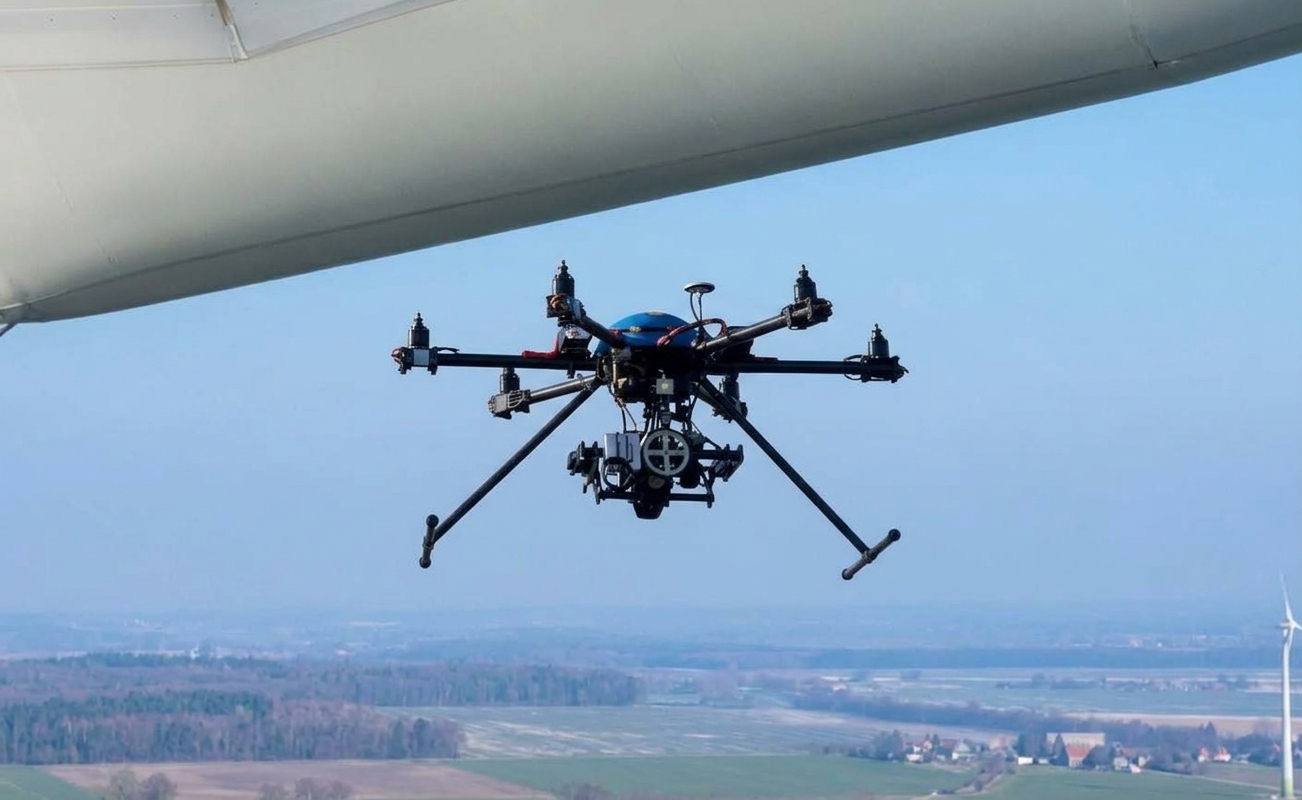
Drone Inspections vs Manual Inspections
Industrial inspections are essential for maintaining asset integrity, operational efficiency, and regulatory compliance. These inspections are required across sectors such as energy, transportation, oil and gas, and renewable resources. Traditionally, inspections relied on manual methods, where trained personnel physically assess assets. While effective, manual inspections often involve high labor costs, safety risks, and variable accuracy.
The rise of drone inspection technology offers a safer, faster, and more precise alternative. Equipped with advanced sensors, high-resolution cameras, thermal imaging, and AI-assisted analysis, drones provide comprehensive aerial inspections and remote monitoring capabilities. These technologies allow organizations to improve operational efficiency, reduce costs, and enhance safety while ensuring inspection precision.
This article explores the differences between manual inspections versus drone inspections, focusing on cost efficiency, worker safety, and inspection accuracy.
Cost Comparison
Manual Inspections: Cost Challenges
Manual inspections involve significant labor costs due to the need for multiple personnel, travel to remote or hazardous sites, and extended inspection durations. For example:
- Inspecting wind turbine blades manually often requires rope access teams, scaffolding, and support staff.
- Bridge inspections may involve lane closures, traffic management, and safety personnel, adding indirect costs.
- Oil and gas inspections require specialized safety gear, extensive preparation, and strict safety protocols.
Operational downtime is another cost factor. Manual inspections often necessitate halting production or shutting down equipment to ensure worker safety, which can impact revenue generation.
Cumulatively, these factors lead to a high total cost of manual inspections, slow ROI, and limited scalability for frequent inspection cycles.
Drone Inspections: Cost Efficiency
Drone inspections dramatically reduce labor costs. A single operator can monitor multiple assets remotely using UAV inspection technology, eliminating the need for large teams and specialized scaffolding.
Inspection workflow optimization allows drones to follow automated flight paths and collect high-resolution data rapidly, reducing repeat site visits. Downtime is minimized since drones can inspect power lines, solar farms, or oil storage tanks without halting operations.
Cost efficiency of drones is further enhanced through predictive maintenance. By identifying early-stage defects, organizations avoid costly emergency repairs and extend asset lifespan. Over time, the ROI of drone inspections exceeds manual methods due to labor savings, operational efficiency, and preventive maintenance benefits.
Safety Comparison
Manual Inspections: Risks to Workers
Manual inspections inherently expose personnel to hazards such as:
- High elevations during wind turbine inspections
- Electrical risks in power line inspections
- Chemical or flammable exposure in oil and gas facilities
- Structural collapse during bridge inspections
Even with strict safety protocols, workers remain vulnerable to accidents, and regulatory compliance can be challenging. Accident prevention in inspections requires extensive training and costly safety measures.
Drone Inspections: Enhancing Safety
Drone inspections significantly improve worker safety by allowing remote monitoring. Operators can assess asset condition without entering hazardous environments. Key benefits include:
- Eliminating the need for personnel to climb towers or access confined spaces.
- Using thermal imaging to detect overheating equipment or structural weaknesses.
- Enhancing risk mitigation by identifying hazards before human intervention.
For instance, drones inspecting solar panels or bridge components can gather comprehensive data without physical human presence. By integrating UAV technology, organizations ensure worker safety and safety compliance while reducing accident risk.
Accuracy and Data Reliability
Manual Inspections: Limitations
Manual inspections rely heavily on human observation. Factors such as fatigue, environmental conditions, and subjective judgment can lead to variability in results.
- Inspection consistency is difficult to maintain across multiple inspectors or repeated inspections.
- Small defects or subtle structural changes may be missed.
- Documentation often relies on hand-written reports and photographs, reducing data reliability.
While skilled inspectors can deliver effective evaluations, the potential for error and missed issues is higher in manual inspections.
Drone Inspections: Precision and Reliability
Drone Inspection Services in Dubai are increasingly being adopted to support modern infrastructure and industrial asset management. Drones deliver high-precision inspections using high-resolution cameras, thermal sensors, and LiDAR to assess structural and operational conditions accurately. Automated flight paths ensure consistent coverage across assets, while AI-assisted analysis enhances defect detection, classification, and reporting, enabling faster and more reliable inspection outcomes.
Key advantages include:
- Inspection precision drones surpass human observational capabilities.
- Digital storage of inspection data ensures traceability and compliance.
- Integration with predictive maintenance software allows early detection of potential failures, reducing repair costs and downtime.
For example, drones inspecting wind turbine blades can detect micro-cracks that would be difficult for a manual inspector to observe, ensuring more reliable maintenance planning.
Inspection Efficiency
Manual Inspections: Efficiency Limitations
Manual inspections are inherently constrained by physical access, human endurance, and sequential workflows. Inspectors must travel to sites, arrange safety access, and perform inspections step by step, which slows down overall execution.
Key efficiency challenges include:
- Dependence on site access equipment such as scaffolding or rope systems
- Limited daily inspection capacity due to human fatigue
- Longer inspection cycles for large or geographically dispersed assets
As asset complexity increases, maintaining consistent inspection efficiency becomes difficult using manual methods alone.
Drone Inspections: Improved Operational Efficiency
Drone inspections significantly enhance efficiency by automating data capture and reducing physical constraints. UAVs can inspect multiple assets within a short timeframe and collect high-quality data in a single flight.
Efficiency benefits include:
- Rapid aerial inspections covering large areas
- Automated flight paths that reduce setup time
- Faster data processing through AI-assisted analysis
These capabilities allow organizations to complete inspections faster while maintaining consistent inspection quality.
Scalability of Inspection Operations
Manual Inspections: Scalability Constraints
Scaling manual inspections requires proportional increases in labor, training, and logistics. As inspection volumes grow, organizations must deploy additional teams and manage complex scheduling, which increases operational overhead.
Common scalability challenges include:
- Higher labor and training costs as inspection scope expands
- Difficulty maintaining inspection consistency across multiple teams
- Limited feasibility for frequent inspections across large asset networks
Manual inspections are therefore less suited for large-scale or high-frequency inspection programs.
Drone Inspections: Scalable Inspection Model
Drone inspections offer a highly scalable solution. A small team of trained operators can inspect extensive asset networks using standardized workflows and centralized data management systems.
Scalability advantages include:
- Ability to inspect hundreds of assets without increasing workforce size
- Centralized remote monitoring and data analysis
- Consistent inspection standards across multiple locations
This makes drone inspections ideal for national or multi-site infrastructure operations.
Environmental Limitations
Manual Inspections: Environmental Constraints
Manual inspections are heavily influenced by environmental conditions. Extreme weather, uneven terrain, and environmentally sensitive locations can delay inspections or increase safety risks.
Environmental challenges include:
- Limited access during adverse weather conditions
- Increased risk to personnel in harsh environments
- Additional regulatory requirements for protected or sensitive areas
These factors can reduce inspection reliability and increase operational costs.
Drone Inspections: Environmental Adaptability
Drone inspections reduce dependency on terrain and site accessibility. UAVs can operate over water, rough terrain, and restricted areas without direct environmental disturbance.
Environmental advantages include:
- Minimal physical impact on inspection sites
- Improved access to remote or sensitive locations
- Reduced need for ground-based equipment and disruption
While drones are still affected by extreme weather, they provide greater flexibility than manual inspections in most conditions.
Time Requirements
Manual Inspections: Time-Intensive Process
Manual inspections require significant time for planning, safety preparation, equipment setup, and physical access. Complex inspections can take days or weeks to complete, especially when inspections are interrupted by environmental or operational factors.
Time-related challenges include:
- Extended inspection durations for large infrastructure
- Delays caused by access preparation and safety approvals
- Slower turnaround from inspection to maintenance action
These delays can impact maintenance planning and increase the risk of asset degradation.
Drone Inspections: Time-Saving Capabilities
Drone inspections dramatically reduce inspection timelines. Tasks that require days manually can often be completed in hours using UAVs.
Time-saving benefits include:
- Faster data collection and site coverage
- Reduced setup and access preparation time
- Quicker reporting and decision-making
The reduced inspection time improves responsiveness and supports proactive maintenance strategies.
Regulatory Compliance and Documentation
Manual Inspections: Compliance Challenges
Manual inspections rely on written reports, photographs, and inspector notes, which may vary in quality and completeness. Maintaining consistent documentation for audits and compliance reviews is time-consuming and prone to human error.
Compliance challenges include:
- Inconsistent record-keeping across inspection teams
- Increased administrative workload
- Difficulty verifying inspection accuracy over time
These factors can complicate regulatory audits and increase compliance-related costs.
Drone Inspections: Strengthened Compliance Support
Drone inspections generate structured, digital records that support regulatory compliance and audit readiness. Time-stamped imagery, geolocation data, and standardized reporting improve transparency and traceability.
Compliance advantages include:
- Consistent documentation aligned with regulatory standards
- Easier audit verification and reporting
- Long-term data storage for asset history and compliance tracking
Digital inspection records enable organizations to meet compliance requirements more efficiently while improving overall asset governance.
Industry-Specific Applications
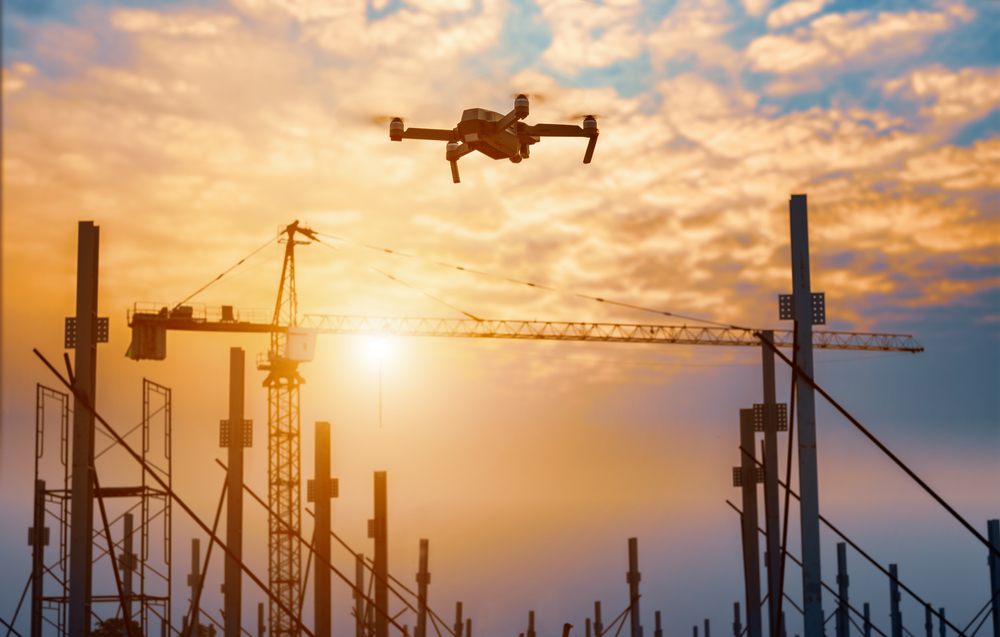
Different industries face unique inspection challenges related to asset complexity, environmental exposure, safety risks, and regulatory requirements. Drone Solutions in Dubai provide a modern approach to these challenges, allowing organizations to perform safe, efficient, and high-precision inspections.
The contrast between manual inspections and drone inspections becomes more pronounced when applied to real-world use cases, highlighting the advantages of UAV technology in improving accuracy, safety, and operational efficiency.
Power Line Inspections
Power line inspections require frequent monitoring due to exposure to weather, load stress, and aging infrastructure. These inspections are critical for preventing outages and ensuring public safety.
Manual Inspections
Manual power line inspections typically involve workers climbing transmission towers or using bucket trucks to access conductors and insulators. This approach introduces multiple operational and safety challenges:
- High risk of electrical hazards and falls
- Extended inspection time due to physical access requirements
- Increased downtime when lines must be de-energized
- High labor and safety compliance costs
Manual inspections are also limited in their ability to detect early-stage issues such as overheating components.
Drone Inspections
Drone inspections provide a safer and more efficient alternative. UAVs equipped with thermal cameras and high-resolution sensors can inspect energized lines without human exposure.
Key advantages include:
- Detection of hot spots, corrosion, and damaged components
- No need for line shutdowns or physical access
- Faster coverage of long transmission corridors
- Improved worker safety and risk mitigation
Wind Turbine Inspections
Wind turbines require routine inspections to assess blade integrity, tower condition, and nacelle components. These assets are often located in remote or offshore locations, increasing inspection complexity.
Manual Inspections
Manual turbine inspections rely on rope access or scaffolding, making them inherently risky and time-intensive.
Challenges include:
- High exposure to falls and adverse weather conditions
- Long inspection durations per turbine
- Increased operational downtime
- Limited inspection frequency due to cost and safety risks
Manual methods may also struggle to consistently detect micro-cracks or early blade erosion.
Drone Inspections
Drone inspections allow turbines to be inspected quickly without physical access. High-resolution imaging and AI-assisted analysis improve defect detection.
Benefits include:
- Safe inspection of blades, towers, and nacelles
- High inspection precision and consistency
- Reduced downtime and labor requirements
- Support for predictive maintenance programs
Oil and Gas Facilities
Oil and gas inspections involve complex infrastructure, hazardous substances, and strict regulatory oversight. Safety and compliance are critical priorities in this sector.
Manual Inspections
Manual inspections often require personnel to enter confined spaces, elevated structures, or chemically hazardous environments.
Key limitations include:
- High risk of exposure to toxic gases and flammable materials
- Extensive safety preparation and permitting requirements
- Increased liability and insurance costs
- Operational disruption during inspections
These factors make manual inspections costly and difficult to scale.
Drone Inspections
Drones equipped with gas detection sensors, thermal imaging, and visual cameras enable safer inspection of oil and gas assets.
Advantages include:
- Remote inspection of tanks, pipelines, stacks, and flares
- Improved safety compliance and reduced human exposure
- Faster inspections with minimal operational disruption
- Enhanced data reliability for regulatory reporting
Bridge Inspections
Bridges require regular inspections to ensure structural integrity and public safety. These inspections often take place in challenging environments over water or traffic corridors.
Manual Inspections
Manual bridge inspections typically involve scaffolding, rope access, or under-bridge inspection units.
Challenges include:
- Lane closures and traffic disruption
- High labor and equipment costs
- Limited access to hard-to-reach structural components
- Longer inspection timelines
Manual inspections can also introduce safety risks for both workers and the public.
Drone Inspections
Drone inspections provide aerial and close-range views of bridge components without physical access.
Key benefits include:
- Reduced need for lane closures and scaffolding
- Improved inspection precision for cracks, corrosion, and joint defects
- Faster inspection cycles and reporting
- Enhanced safety for inspection teams
Solar Panel Inspections
Solar farms consist of large numbers of panels spread over wide areas, requiring frequent inspections to maintain energy efficiency.
Manual Inspections
Manual solar inspections involve walking rows of panels and performing visual checks, which is labor-intensive and time-consuming.
Limitations include:
- Slow inspection process for large-scale installations
- Higher labor costs
- Difficulty detecting electrical or thermal issues visually
- Limited inspection frequency due to resource constraints
Drone Inspections
Drone inspections use thermal imaging and aerial surveys to assess panel performance efficiently.
Advantages include:
- Rapid identification of underperforming or damaged panels
- Significant reduction in inspection time and labor cost
- Improved operational efficiency and energy output
- Data-driven maintenance planning
Conclusion
Manual inspections have long been the standard for asset evaluation, but they are limited by high labor costs, safety risks, time-intensive processes, and inconsistent results. As infrastructure networks expand and inspection demands increase, these limitations become more pronounced.
Drone inspections offer a more efficient and safer alternative. By reducing human exposure to hazardous environments, minimizing downtime, and delivering consistent, high-quality data, drones improve inspection accuracy and operational efficiency. While manual inspections remain necessary in certain specialized scenarios, drone technology provides a scalable, cost-effective solution for modern inspection requirements across industries.